Your investment thesis is your story. Most firms bury it in a white paper.

We turn it into a film. Two minutes. No shoot. Built to get through compliance.
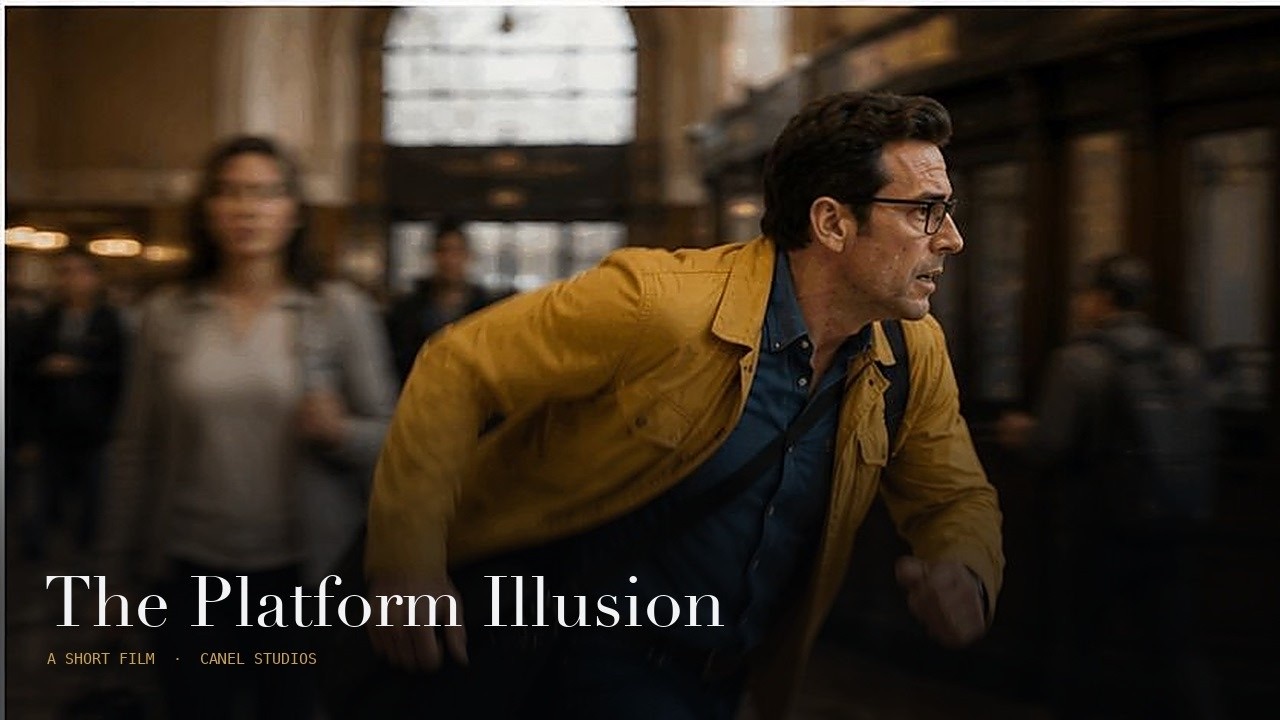
The Platform Illusion — a man in a yellow jacket runs through a grand station concourse, commuters blurred around him.

The Platform Illusion — 2:22. A firm’s thesis: investors who think they missed the rally are watching the wrong indicator. Thirty-nine shots. It never states its argument out loud. It tells a story instead, and lets the audience arrive at the point themselves.
The problem you already have

Active managers sell ideas. Ideas get delivered as PDFs.

You’re squeezed by passive on one side and a hundred firms saying the same thing on the other. What you have that they don’t is a point of view. And the industry’s default way of sharing a point of view is a white paper, a webinar, and a ninety-second explainer — well made, and competing with everything else in the feed.

A film does something a PDF can’t. It makes the argument without arguing. People finish it. People send it to each other. And an advisor who watched it remembers your firm the next time a client asks what they missed.

What it takes

What a thesis film looks like.

One film, built from a brief or an existing piece of research. How long it runs is your call — thirty seconds or five minutes — and that, with the notes, sets the schedule. Every frame approved by you before it moves.

The same film as a traditional shoot would mean closing a working train station for the day, a crew, talent, permits, and one chance to get it right. Months at minimum, and a budget nobody could name in advance. Changing something afterward means shooting it again.

Your second film starts from the first one’s locked look, so it comes in faster. What it costs is a conversation — book twenty minutes and we’ll tell you.

Compliance

Built to clear compliance.

How it runs

You approve every frame before it moves.

Your brief gets broken into scenes and shots the way a script would. We generate still frames for every shot, you review them with us, notes go back in as notes. Nothing moves until the stills are signed off. Then the approved frames become film. A change after that is a pickup, not a reshoot — minutes, not weeks. Your look, your characters, your locations are built once and reused, so the second film starts where the first one ended.

Full process →

Who’s making it

The people who made the shows you watched.

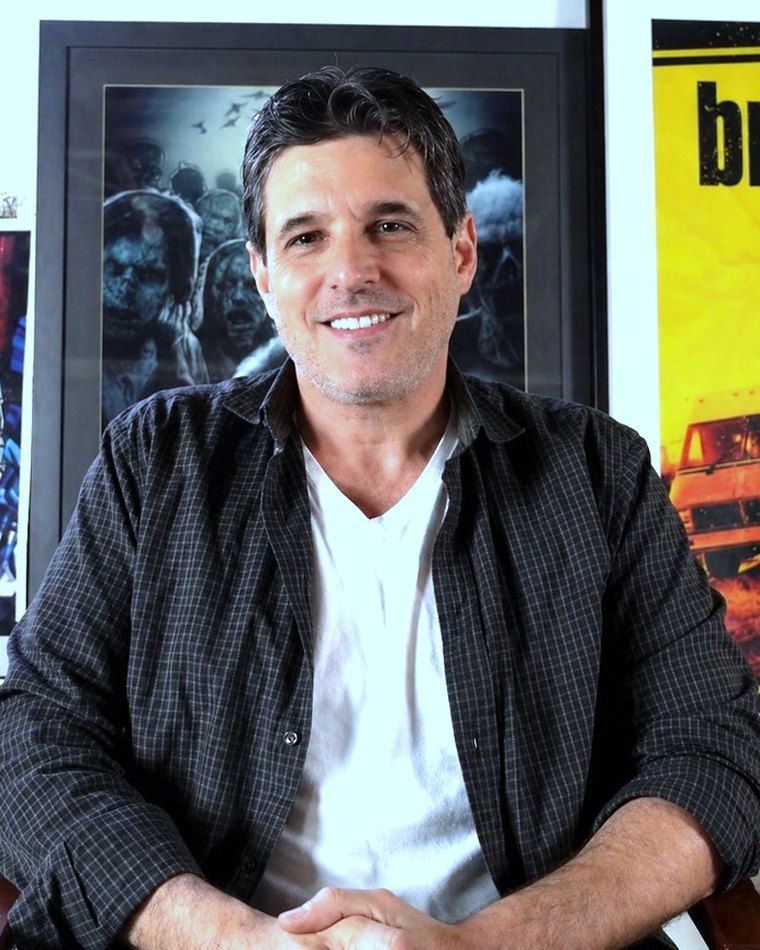
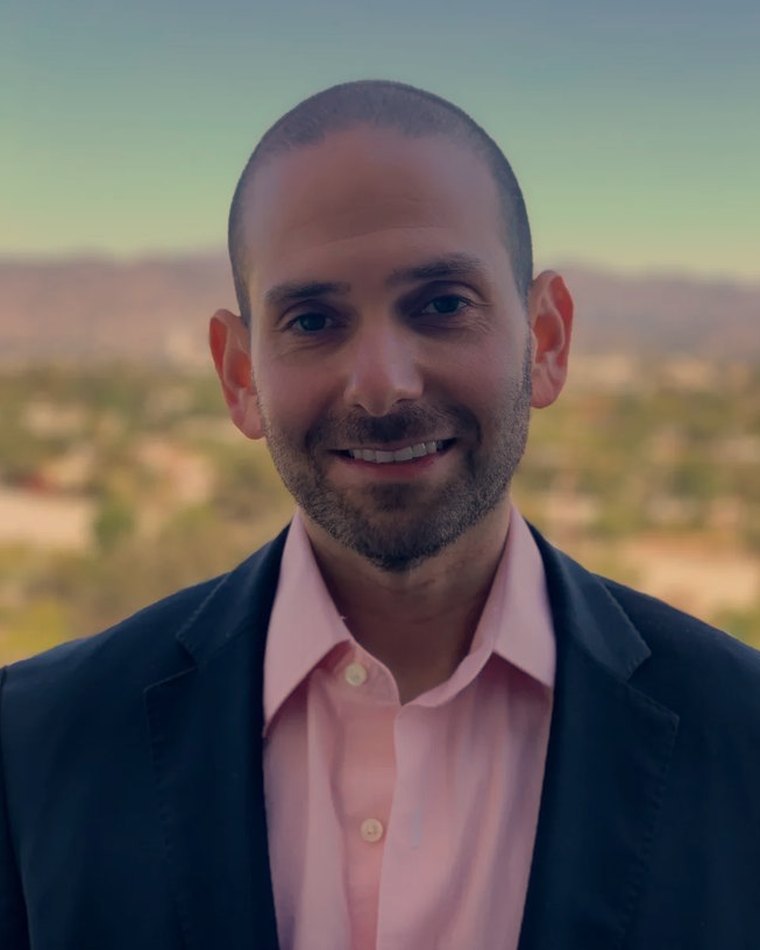
Jeremy Elice developed Breaking Bad, Mad Men and The Walking Dead at AMC, winning two Peabody Awards. Sean Canino spent fifteen years at CBS Studios, Electus and Propagate developing series for Netflix, Prime Video and Paramount+, including the Peabody-winning Jane the Virgin. CanEl is the studio they built to do this with AI — not a marketing company that added a tool.

Jeremy Elice
Jeremy Elice
Sean Canino
Sean Canino
Proof

Client work is shown without attribution. Named references and a full case study on The Platform Illusion are available under NDA.

Start here

Bring us a thesis. We’ll tell you what it would take.

Twenty minutes with Jeremy and Sean. No deck. Tell us the idea you wish more people understood, and we’ll walk you through what the film would be, what it would cost, and how long it would take.

Send us a thesis

What are you trying to say?

Four lines is plenty. We read everything, and we answer.