Every company can make content now. That is exactly the problem. When anyone can produce anything, volume stops being an advantage — and the only asset you hold that a competitor cannot copy is your own story. We turn it into something people choose to watch.
CanEl is an AI studio built by storytellers. Not a marketing company that adopted AI — a company built with it from the ground up — in choosing what to make, not just in making it.
Breaking BadMad MenThe Walking DeadJane the VirginBlood & Treasure
An AI-powered studio from the executives behind these series
Knowing which story to tell, what it should look like, and when it’s done — that’s not a setting. It’s twenty years of making television people actually watched. The tools are rented. The judgment isn’t.
Jeremy and Sean are storytellers and producers, not VFX artists. We use AI to drive the story, not just to make things that look good — though we do that too.
We’re not tied to any AI company. When a better model ships, we switch. Nothing about how we work changes. See how it works →
The great Hollywood studios figured that out early. The contract players, the backlot, the house style, the memory of every call that worked.
We build that for you.
Your first CanEl film sets the cast, the look, the voice and the rules. Every film after that starts from there, not from zero. The second one comes faster than the first. The fifth comes faster and better than the second. That’s the point.
Studio-grade storytelling. Without the studio.
We build the film as still frames first. You approve every one of them before a single second of motion is made. If you want something changed after that, we remake that shot from the same locked references — minutes, not a reshoot.
Three things survive every production and carry into the next one. They are the reason the second film costs less effort than the first, and the fifth is sharper than either.
Characters, locations, sets, wardrobe, lighting. Starting states for the next piece, not finished work.
Workflows, continuity, model configurations — and the failure data, which matters more.
Every output, the one chosen, the ones rejected, and why. Human judgment, on the record.
For a century, putting a story on film meant a crew, a location, a schedule, and a number that settled in advance what you were allowed to imagine. Most companies never got to tell theirs that way. They wrote it down instead, and hoped somebody read it.
That constraint is gone. What’s left is the part that was always the hard part — knowing what your story actually is, and whether it is worth someone’s attention.
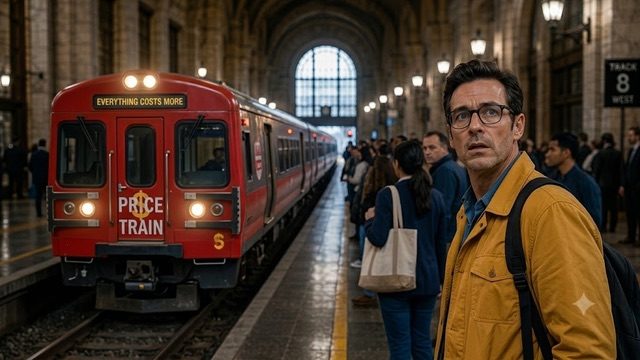
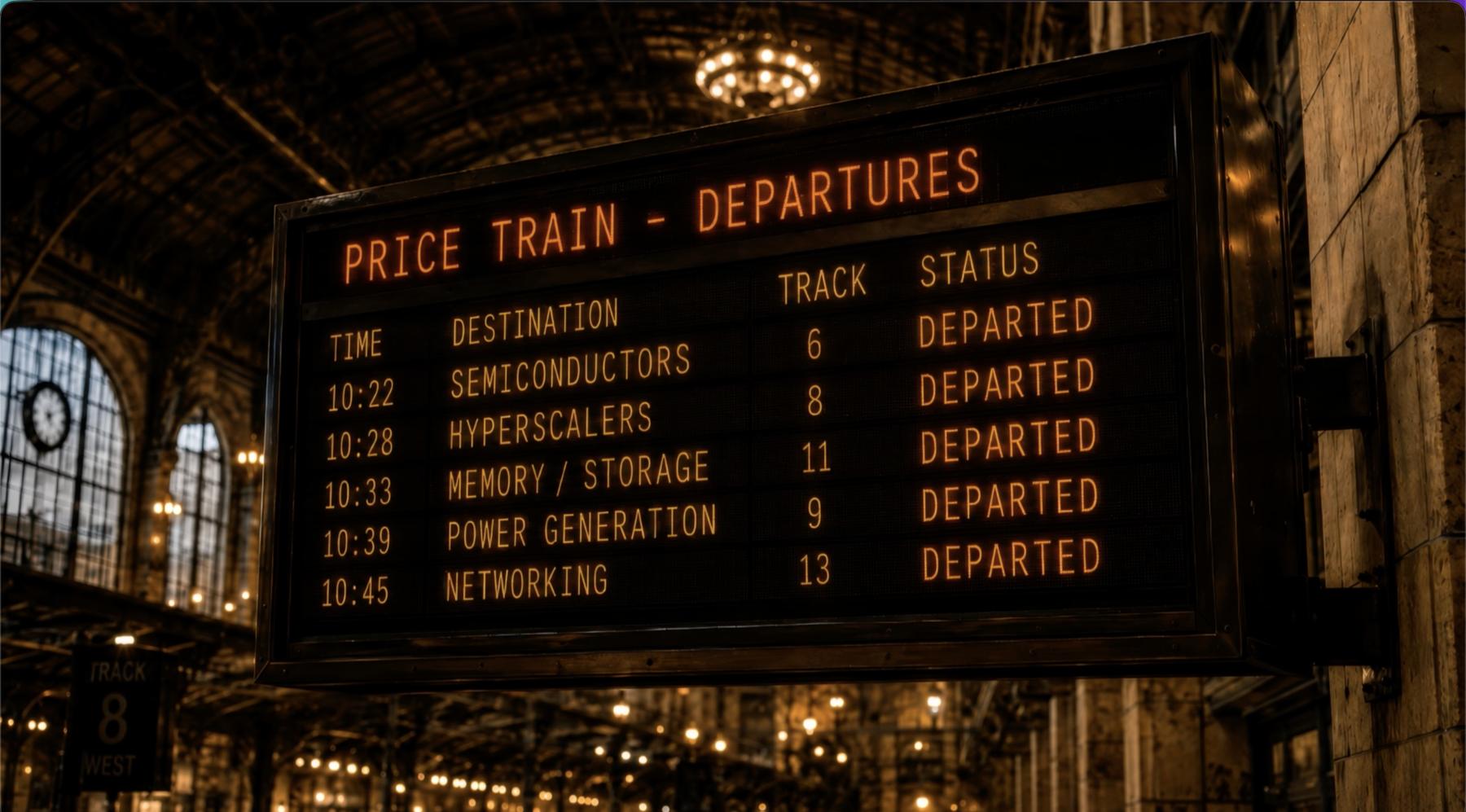
A financial firm’s thesis: investors who believe they missed a rally are usually watching the wrong indicator. Two ways to say it.
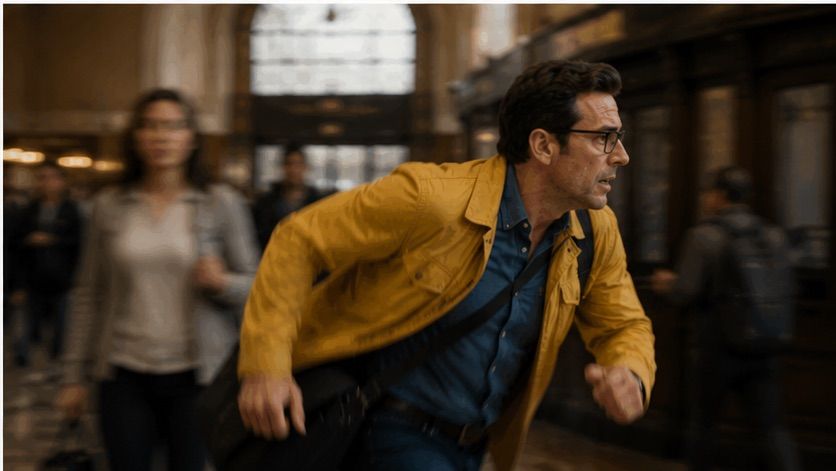
A man runs into a station and finds every board reading DEPARTED — until someone shows him a second board, where price flattens and earnings keep climbing.
Thirty-nine shots. It never states its argument out loud. It tells a story instead, and lets the audience arrive at the point themselves.
Same idea. Different medium. Different result.
Client work is shown without attribution. Named references and full case studies are available under NDA.
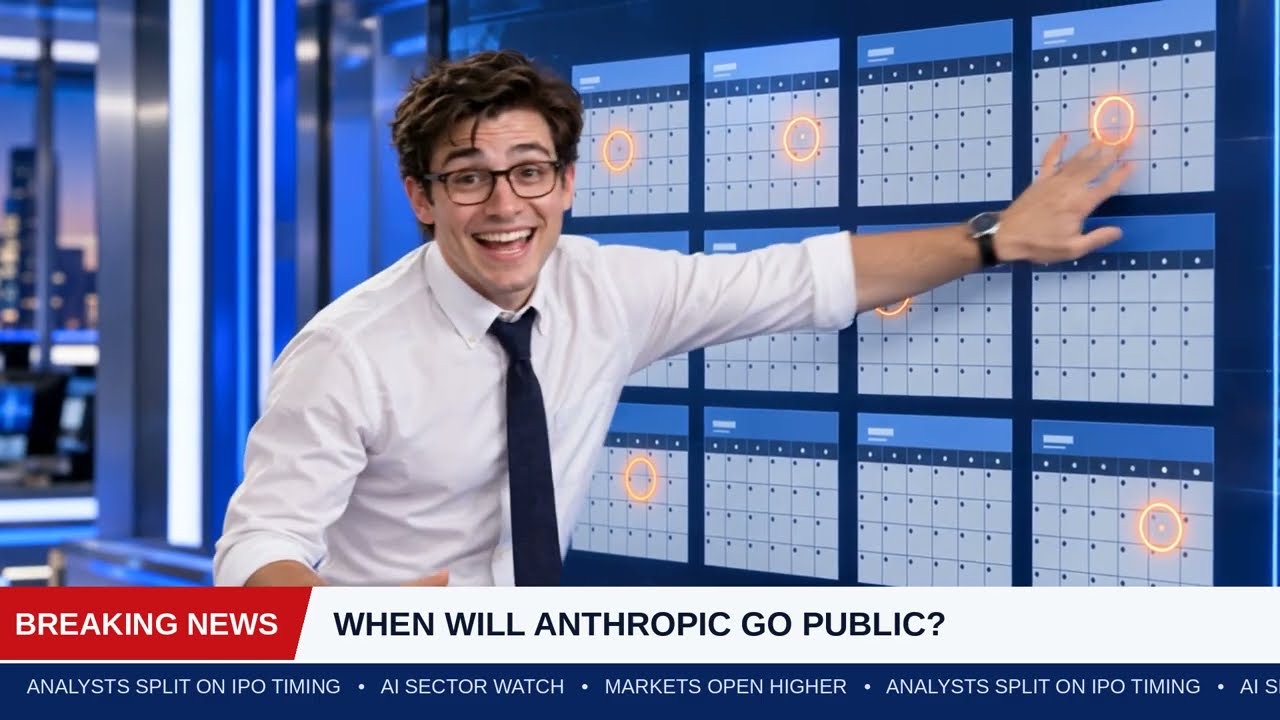
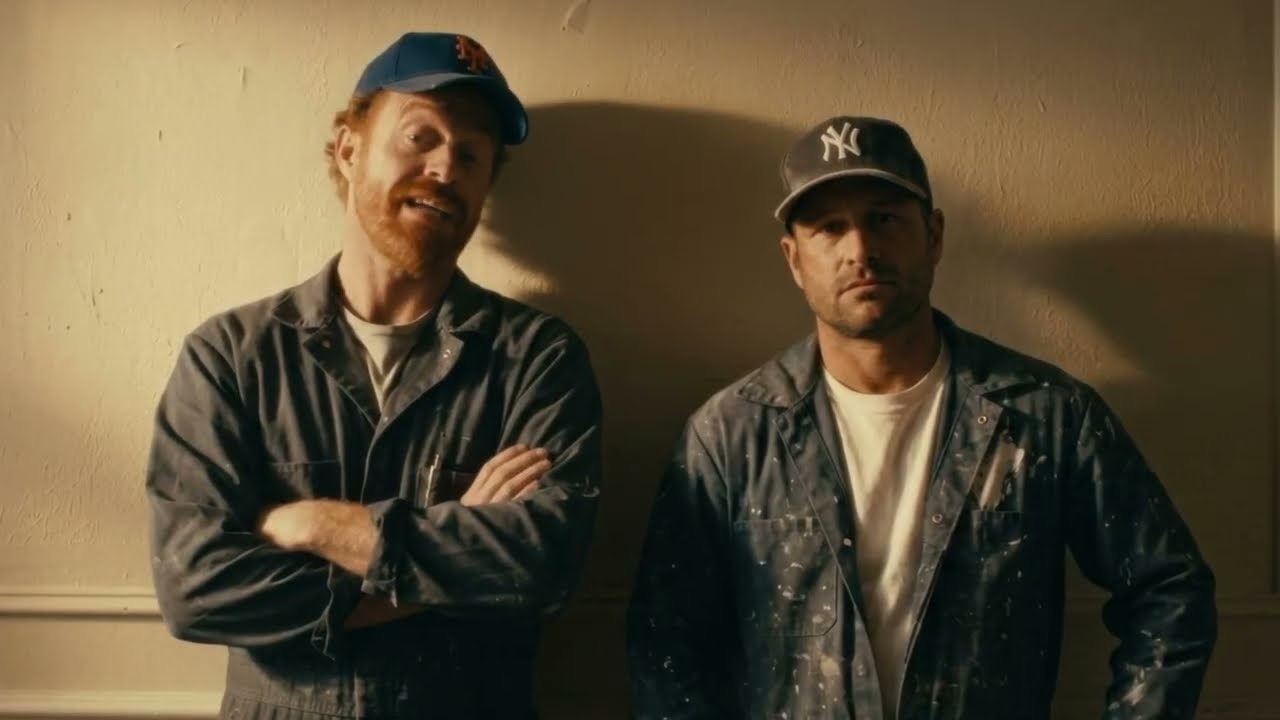
Spots and series, all built on the same system and produced start to finish the way your work would be. Here is what that looks like.
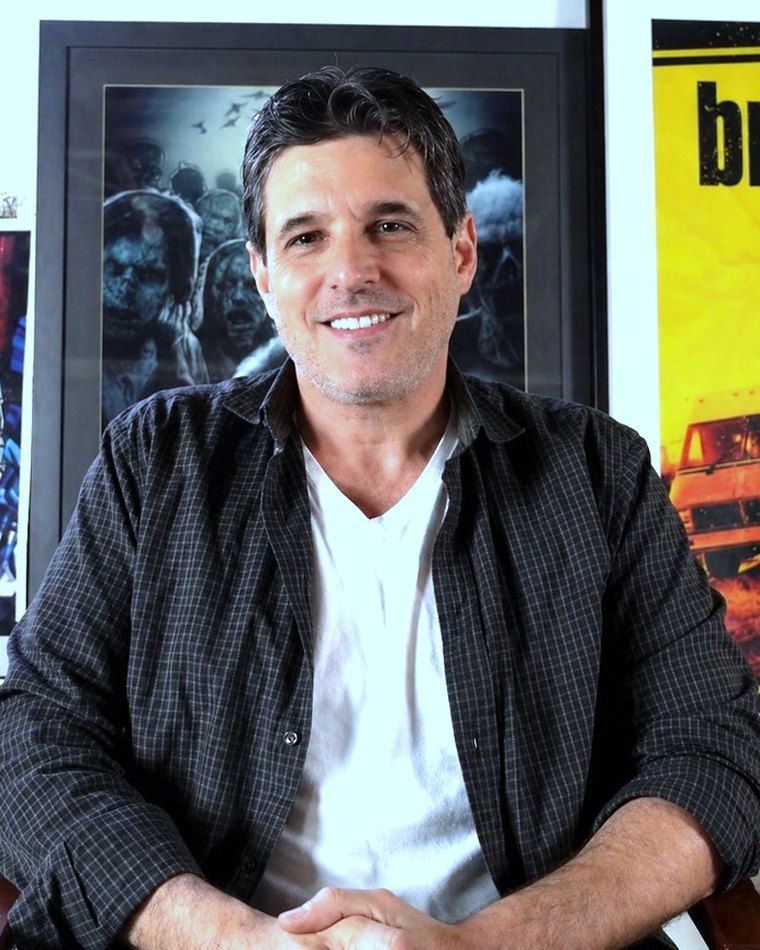
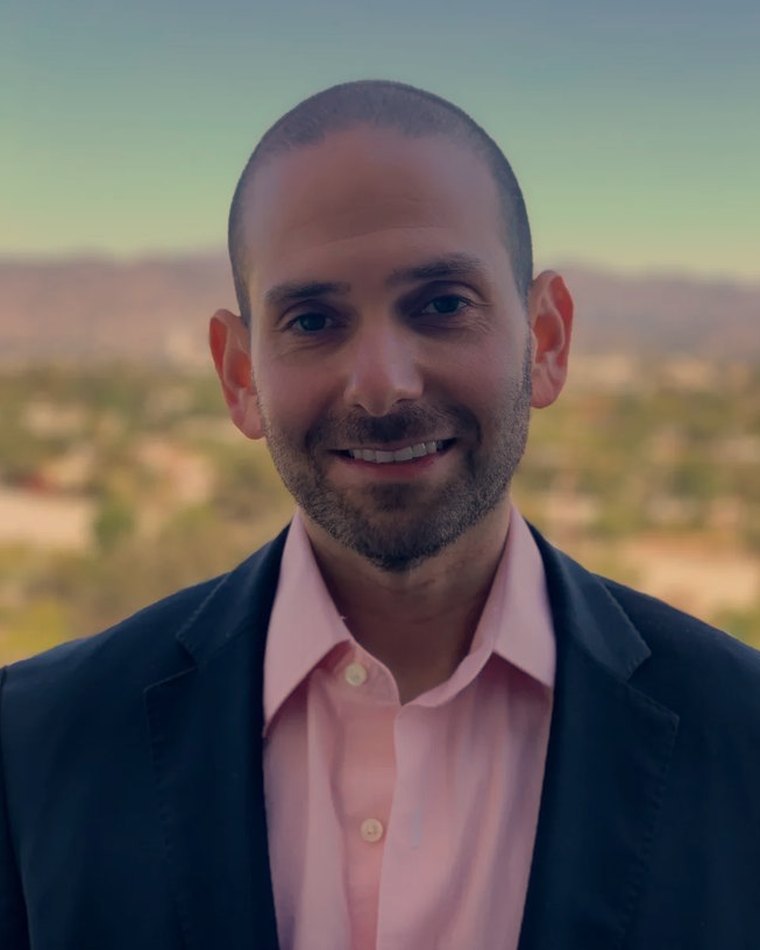
Jeremy developed premium television at AMC across the run that defined the network — Breaking Bad, Mad Men, and The Walking Dead — winning two Peabody Awards, for Mad Men and Breaking Bad. He built the television department at Legendary Entertainment from scratch and held a production deal at Blumhouse. He has eight published novels.
Sean has spent fifteen years across CBS Studios, Electus, Propagate Content, and McFarlane Entertainment, developing series for Netflix, Prime Video, Paramount+, CBS, and The CW. His credits include the Peabody-winning Jane the Virgin, Blood & Treasure, No Tomorrow, and Flaked.
We also develop our own series. See CanEl Originals →
Reporting from the front lines of the AI revolution. The work we actually delivered. Real numbers. Published here first.
Everything we publish lives here first. The full archive is on this site; the newsletter is how it reaches your inbox.
Read all Field NotesTell us what you’re trying to say and we’ll tell you what it would take. Four lines is plenty. We read everything, and we answer.